



If you buy something from a link in this article, we may earn a commission. Learn more.
The Evolution of EDC Pocket Knives: Legal and Practical Considerations
The landscape of legal regulations surrounding pocket knives has always been a complex puzzle, heavily influenced by varying municipal ordinances, county rules, and interstate law conflicts. However, recent legislative changes in several states have begun to clarify these regulations, making it easier for EDC (Everyday Carry) enthusiasts to choose knives that comply with the law. Notably, North Carolina’s H439 bill, now active in the 2025-2026 session, redefines a “plain pocket knife” as a folder with a blade up to six inches in length. Similarly, Ohio and Michigan have introduced new preemption laws that prevent cities and counties from imposing stricter knife regulations than those at the state level.
While these changes are helping to create a more consistent legal framework at the state level, the federal landscape remains unchanged. Consequently, individuals are advised to consult local regulations to ensure compliance. States that have not updated their laws still present a confusing array of rules. For instance, New York prohibits visible clips, and certain California cities continue to enforce unique restrictions. As a result, smaller, simpler knives remain the most legally versatile and practical choice.
Criteria for Selecting EDC Knives
When evaluating EDC knives, blade length is a primary consideration. Knives with blades exceeding three inches are generally excluded to ensure compliance with most legal standards. The type of locking mechanism is also crucial; liner locks, frame locks, button locks, and slip joints are preferred due to their legality and reliability. Automatic knives are generally avoided due to their complex legal status.
Weight and blade material serve as tiebreakers. A knife weighing more than two ounces is often noticeable in the pocket, which detracts from its EDC appeal. High-quality steels like S90V and 154CM are sought after for their durability and edge retention, making them worthwhile investments at reasonable prices.
Orioner Z6: The Ultralight Keychain Companion
The Orioner Z6 stands out as an excellent choice for those seeking a compact, lightweight EDC knife. With a folded length of less than two inches and a weight of just 0.48 ounces, this knife is ideal for keychain attachment rather than pocket clipping. Its construction does not compromise on essential features such as steel quality, frame material, or deployment mechanism.
The Z6’s deployment is facilitated by a flipper tab that doubles as a bottle opener, secured with a liner-style lock. A magnetic clip and keyring hole complete its versatile design. Initially priced at $29 and now retailing at $49, this knife offers exceptional value for its materials and features. After a few weeks of use, many find themselves leaving larger knives at home.
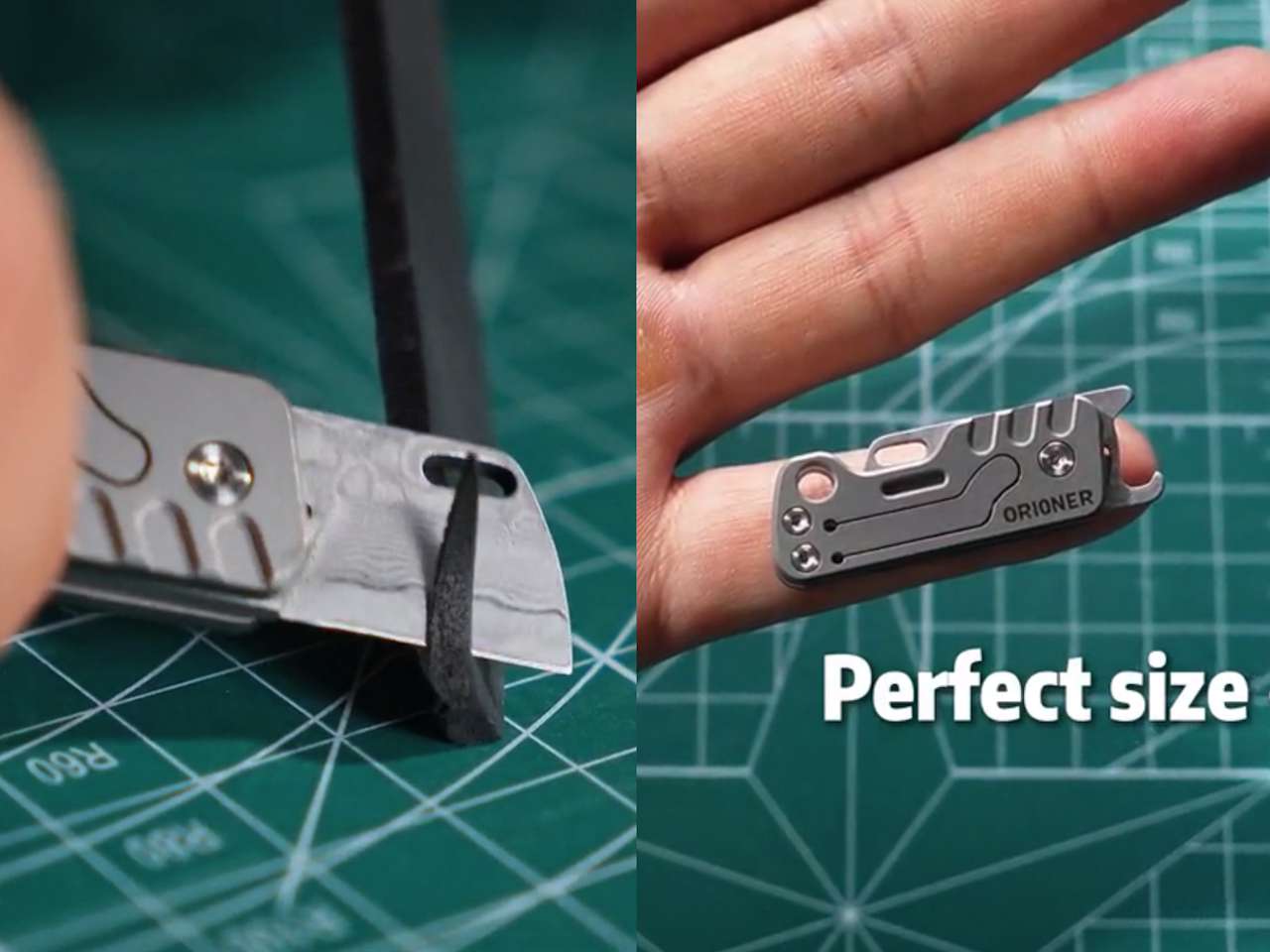
Price: HK$251 – Combo pack (around $33)
Where to buy: Kickstarter
James Brand Ellis 2026: Compact and Sleek
The 2026 iteration of the James Brand Ellis has seen significant refinements, resulting in a knife that is thinner than a standard pack of gum. The metal clip of previous versions has been replaced with a machined stainless steel clip that sits flush against the dimpled aluminum scales, ensuring minimal pocket intrusion.
This UK-legal slip joint knife features a Sandvik 12C27 steel blade, anodized aluminum scales, and incorporates a multi-tool lever and scraper. With a retail price of $99, the Ellis is both a practical and stylish addition to any EDC collection.
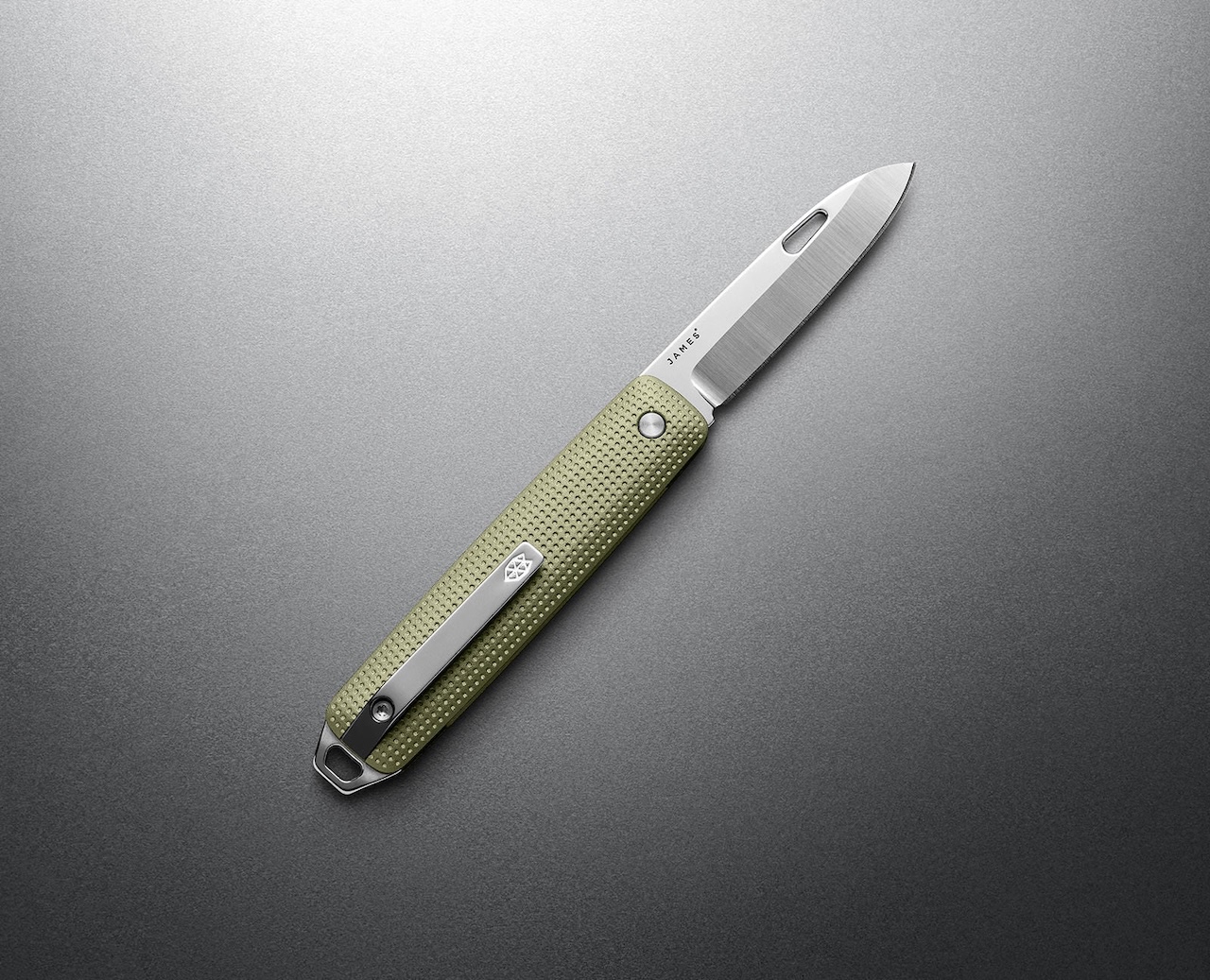
Price: $99
Where to buy: James Brand
KANSEPT Pluto: Premium Materials in a Compact Form
For those seeking a premium small folder, the KANSEPT Pluto is an excellent choice. Featuring a 2.5-inch S90V drop point blade, titanium handle, and purple Micarta inlay, this knife offers exceptional edge retention and durability. The bolster lock mechanism provides a robust locking solution without adding significant weight.
The Pluto’s design is optimized for states with stringent knife laws, with its blade length comfortably below most legal thresholds. At a starting price of $155, it represents a solid investment for those who value quality materials and craftsmanship.
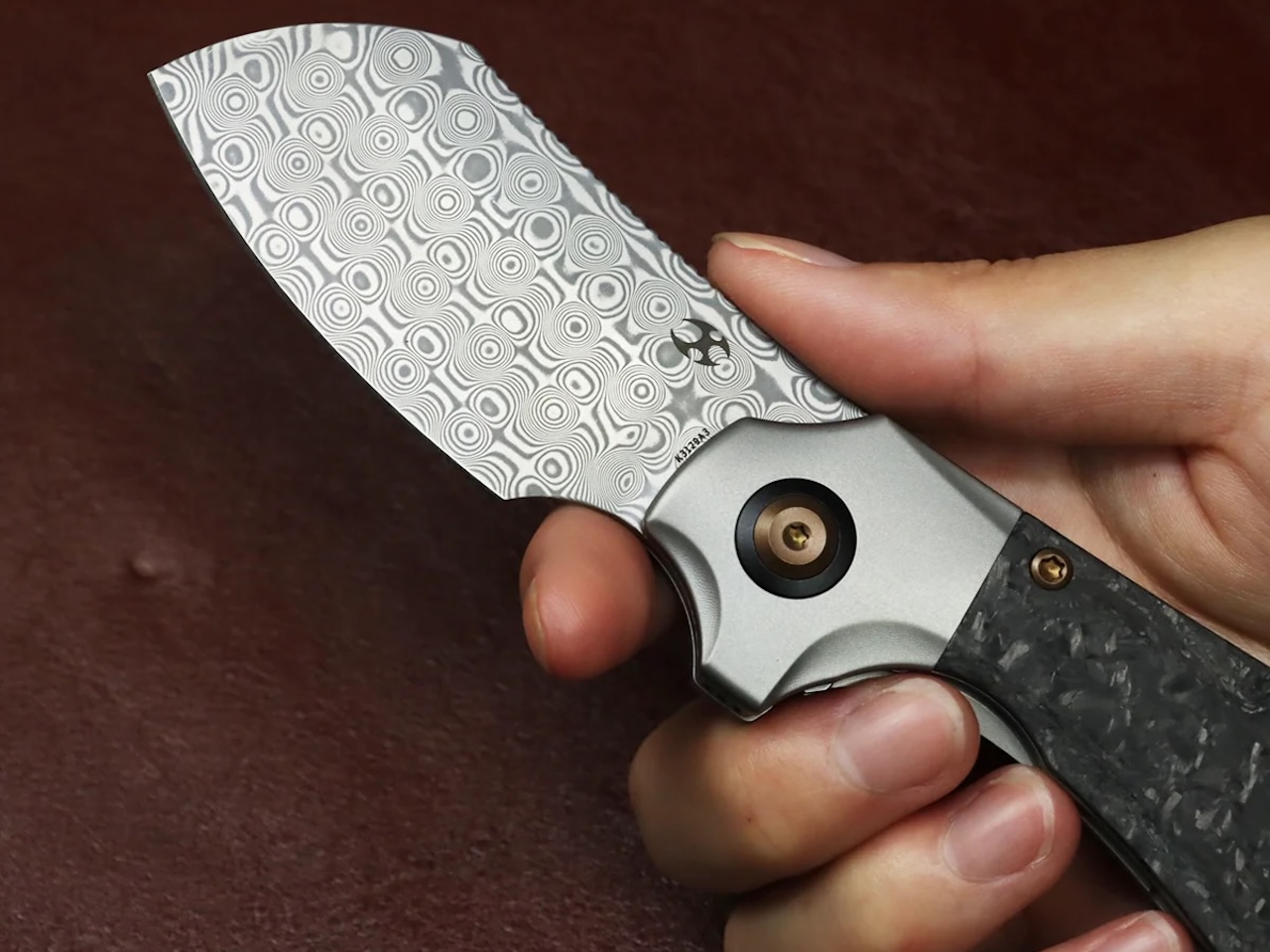
Price: From $155
Where to buy: Kansept knives
Vosteed Parallel: Slim and Resilient
The Vosteed Parallel combines American-made 154CM steel with a titanium frame that is thinner than a pack of chewing gum. This knife is designed for discreet carry and features a crossbar lock that allows for easy one-handed operation. Its slim profile makes it ideal for everyday use, while the 2.9-inch blade keeps it within most legal limits.
With a price tag of $129, the Parallel offers excellent value for its construction and materials, making it a top choice for those seeking a high-performance EDC knife.
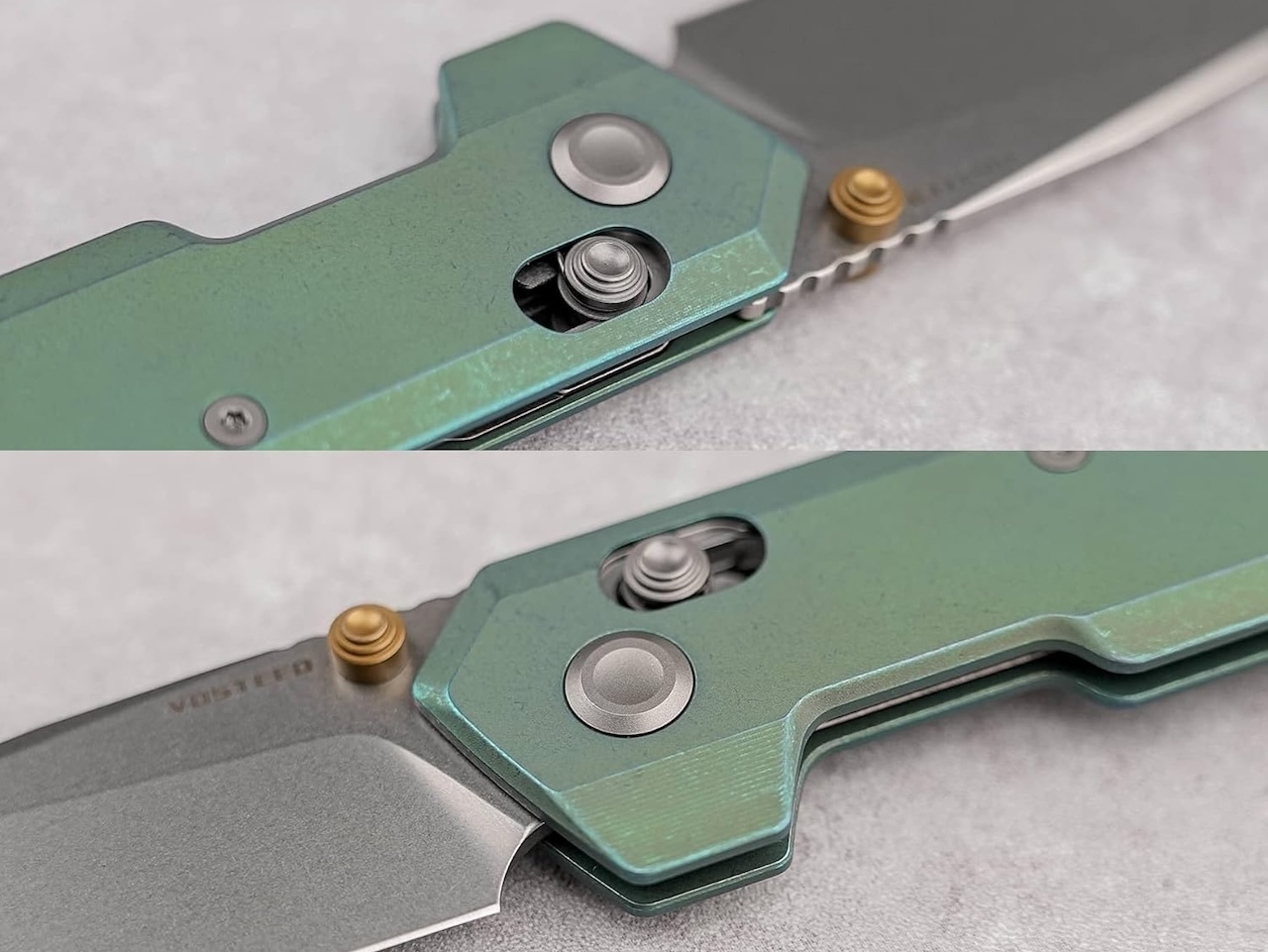
Price: $129
Where to buy: Amazon
CJRB Maileah and Mica: Affordable Versatility
The CJRB Maileah and Mica offer affordable options for those seeking versatile EDC knives. The Maileah features a 2.39-inch Wharncliffe blade in AR-RPM9 steel, a liner lock, and a G10 handle. Its compact size allows it to fit comfortably in the fifth pocket of most jeans.
The Mica offers a different approach with a 2.36-inch drop point blade, a locking knob with ceramic ball bearings, and a choice of handle materials. While the Maileah is priced at approximately $30, the Mica ranges from $39.86 to $61.32, depending on the handle material.
Both knives remain under three inches in blade length and are designed to comply with most state laws. Their affordability and versatility make them excellent choices for everyday carry.
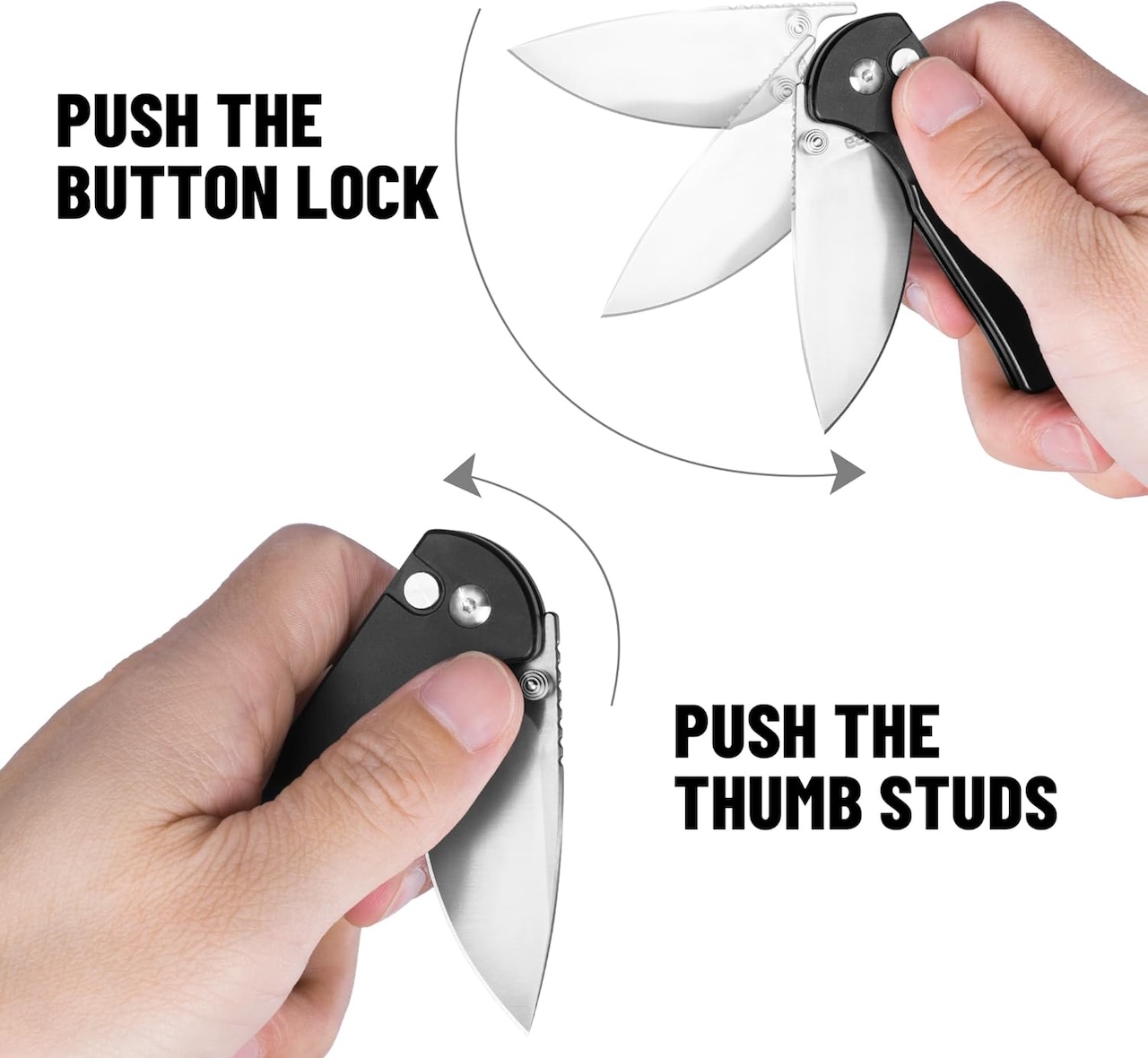
Price: $36.99
Where to buy: Amazon
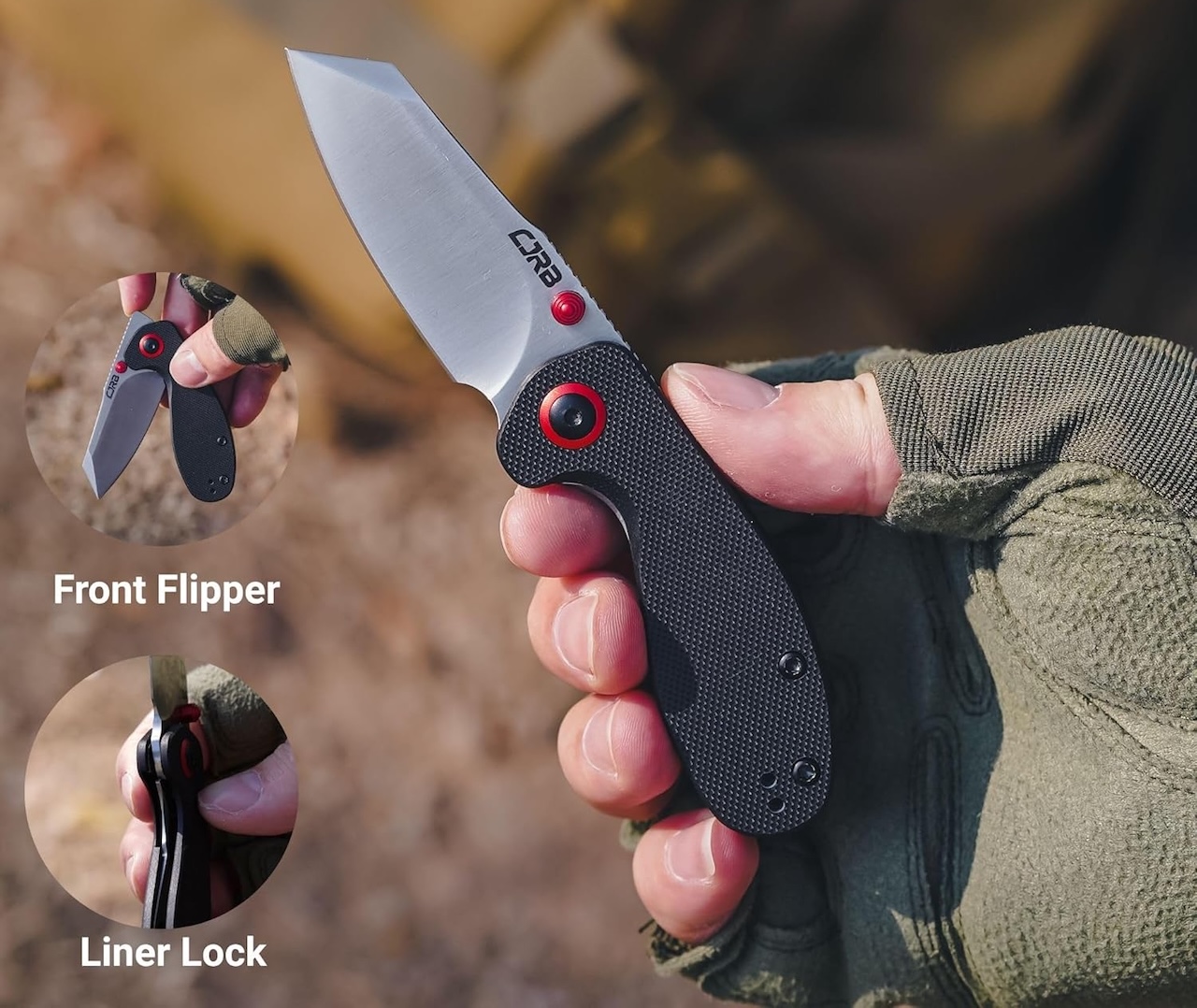
Price: $30.99
Where to buy: Amazon
Considerations for Knife Selection
Automatic knives were deliberately excluded from this list due to their complex legal status, which varies significantly between states. Similarly, larger frame locks are not covered, as they fall outside the small folder category and adhere to a different set of regulatory standards.
While small fixed blades offer certain advantages, such as horizontal carry options, they are not included here as they belong to a different category. Potential buyers should always verify local laws before purchasing or carrying a knife.
EDC Small Folder FAQ
What blade length is legal for EDC pocket knives in 2026? While most states have not changed blade length restrictions significantly this year, North Carolina’s H439 allows for blades up to six inches. Generally, a blade length of under three inches is considered safe in most jurisdictions. Always check local regulations to ensure compliance.
What is the difference between a slip joint, liner lock, button lock, and crossbar lock? A slip joint relies on spring tension to stay open, while a liner lock uses an internal liner to secure the blade. Button locks employ a spring-loaded pin, and crossbar locks utilize a horizontal bar for ambidextrous operation, often found in premium folders.
Is the S90V worth it for a knife with a blade length under three inches? S90V is advantageous for those who don’t sharpen frequently, as it retains its edge longer than other steels like AR-RPM9 or 154CM. It is particularly beneficial for everyday, light-duty cutting tasks.
For more information on EDC pocket knife folders, visit the source article here.
“`

