



Understanding the Complexities of Servo Gearbox Sizing
When it comes to sizing a servo gearbox, focusing solely on a single parameter can lead to costly mistakes. Over or under-sizing a gearbox can result in overheating, poor machine performance, or even unexpected system failure. This article, sponsored by GAM, a leading U.S. manufacturer of servo gearboxes and other motion control components, delves into the intricacies of servo gearbox sizing, offering insights on how to avoid potential pitfalls.
The Role and Importance of Servo Gearboxes
As highlighted by Matt Ruggles, principal design engineer at GAM, the gearbox acts as the system’s fuse, being the first component to break when something goes wrong. Therefore, it’s crucial that the selection of a servo gearbox is based on an understanding of the interaction of multiple parameters, rather than a single specification. This requires a careful consideration of torque demand, radial and axial load capacity, inertia, and environmental conditions.
GAM offers gearboxes in a wide variety of configurations, accuracies and capacities to cover a wide range of applications. (Image: GAM.)
Key Factors in Servo Gearbox Selection
When selecting a servo gearbox, it’s crucial to consider several specifications. Torque demand, encompassing rated torque, acceleration torque, and emergency torque, is a key factor. Similarly, radial and axial load capacity, which indicate the load that the output shaft can support, should also be assessed. Inertia, which describes a load’s resistance to changes in motion, is another crucial factor. Lastly, the environment in which the system operates may introduce additional requirements, such as temperature limits or corrosion resistance.
Avoiding Oversizing or Undersizing of Gearboxes
According to Ruggles, the selection of a gearbox should begin with identifying the application’s actual requirements. This may be radial load capacity, torque transmission, or another constraint. Focusing too much on one specification can have unintended consequences elsewhere in the system. For example, if only radial load is considered, the result could be an oversized gearbox with an undersized motor, leading to operational difficulties and potential system failure.
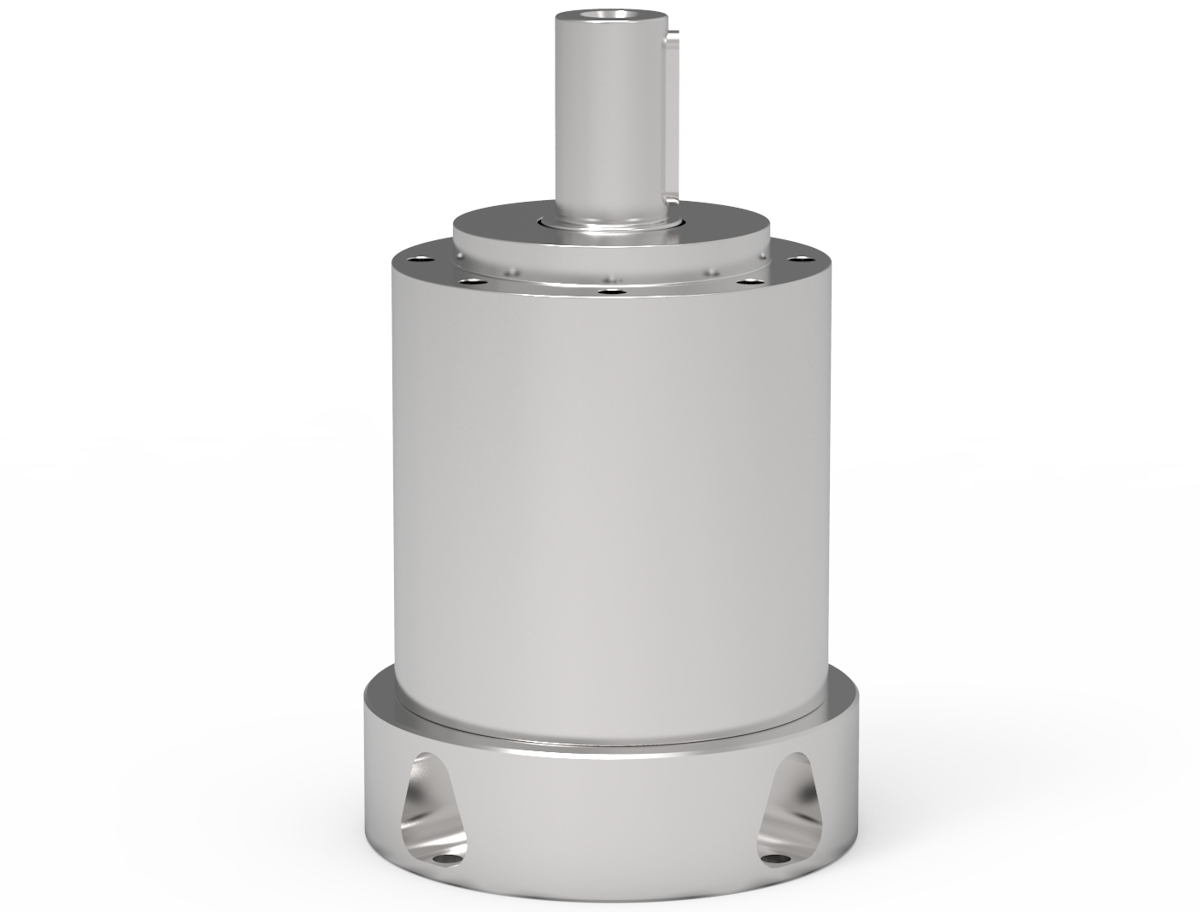
Stainless steel in-line planetary gearbox for washdown or clean environments. (Image: GAM.)
Understanding the Real-World Implications
In practice, systems may not always behave as the original calculations suggest. For instance, the actual load could turn out to be larger or have a different inertia than expected. These differences can significantly impact what the engine and gearbox can handle, especially in designs operating near their limits. Therefore, it’s essential to have a comprehensive understanding of the application to avoid potential issues.
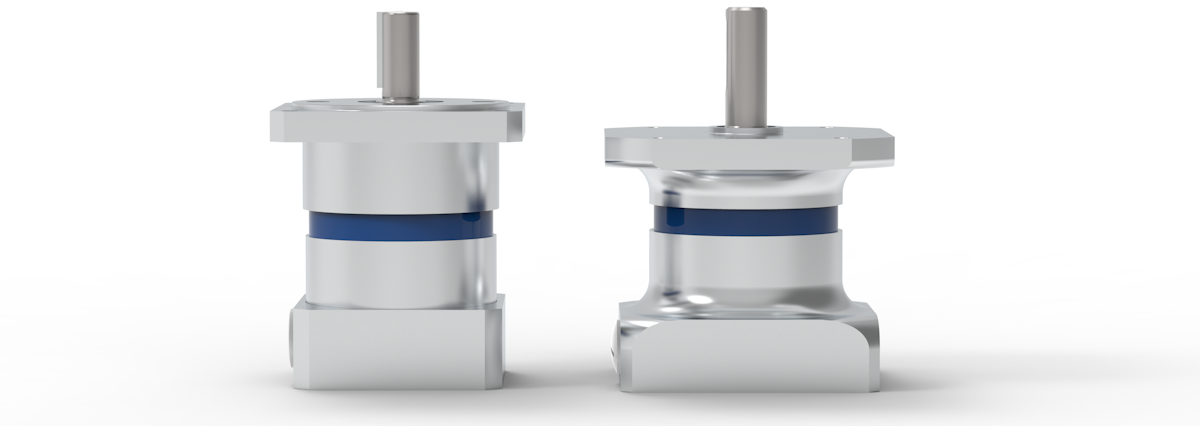
A custom inline gearbox (right) has a shorter length than the standard gearbox (left). This small change made it possible to simplify the design of the machine, which allowed the manufacturer to make significant savings. (Image: GAM.)
To learn more about servo gearboxes and how to size them appropriately for your specific application, visit GAM.
Experience, expertise, authoritativeness, and trustworthiness are crucial when tackling complex topics such as servo gearbox sizing. With a broad understanding of applications and a plethora of experience, GAM stands ready to offer assistance and guidance. The original article can be found Here.

