



When the Plex’s Lifetime Pass originally launched, it was $75 — a price that a lot of folks got it for, and still talk about to this day. Fourteen years later, that price is about to become ten times the initial cost, making all Plex Pass users feel like early Bitcoin buyers. I myself got the Lifetime Pass at $120 during the decade-long period when the price didn’t change, which is why I know just how useful the additional benefits of a Plex Pass can be.
However, as someone who has used almost every feature in the Plex Pass to enhance the base experience, it’s impossible to deny the utility of those paid benefits. A Lifetime Plex Pass may be $250 today, but come July 2026, it’ll set you back $750. Thankfully, Plex’s closest rival, Jellyfin, has really come into its own over the years. Unless you have $750 to burn, all of Plex Pass’ benefits can be added to your own self-hosted Jellyfin media server without spending a single cent.
Plex Pass really does have a number of benefits
These are features impossible to live without once you use them
While basic media hosting is free with Plex, a lot of the features you’d otherwise expect to have are locked behind the Plex Pass paywall. In fact, something as basic as remote viewing, where you can access your media server from outside your home’s network, or let friends share your library, requires the Plex Pass. If you’ve ever binge-watched a TV series on online streaming networks like Netflix, the Skip Intro button becomes invaluable. However, on Plex, only users with the Plex Pass get to skip intros.
Even downloading your own movies, or using your own hardware for hardware-accelerated streaming are locked behind the Plex Pass.
Add premium music features, SDR-to-HDR tone mapping, restrictions based on family members, and even other great features like pre-roll trailers and clips for the full extended cinema-going experience, and the Lifetime Plex Pass begins looking like a must-have. Of course, regardless of whether it’s $250 right now or $750 two months later, all of these features can still be enjoyed for free if you decide to use Jellyfin, instead.
Jellyfin is 90% of Plex, and the missing 10% doesn’t matter to me
Free and open source over greedy subscriptions
Jellyfin requires elbow grease, but not a single dollar
It’s just as feature-packed, if not more
For the longest time, one of the biggest (and truest) arguments against Jellyfin has been the amount of research and effort it takes to self-host a media server using the tool. For the most part, the elbow grease required has decreased, but there are still a few hoops to jump through, like finding the right repository and adding the right plugins to your server. That being said, nothing beats free features, and every single Plex Pass feature has a Jellyfin plugin equivalent you can install and use.
My family might make the most out of my Lifetime Plex Pass, but I couldn’t justify asking my friend to pay for another pass as they insisted on setting up their own media service. As such, we decided to go with a Jellyfin setup instead of Plex, and I was pleasantly surprised by just how far the open-source media server has come. In fact, considering just how “community-based” Jellyfin is, it’s really helpful when users create entire repositories full of the best plugins that you can then install in succession, with as few clicks as possible.
Plex Pass Feature | Jellyfin Equivalent | Plugin/Method |
Hardware-accelerated transcoding | Built into Jellyfin | Native support for Intel, AMD, and Nvidia |
HDR to SDR tone mapping | Supported for free | Native tone mapping |
Skip Intro | Yes | Intro Skipper plugin |
Skip Credits | Yes | Intro Skipper / intro detection plugins |
Offline downloads | Yes | Native mobile download support |
Remote streaming | Yes | Built into Jellyfin |
Library sharing with friends | Yes | Native multi-user support |
Live TV + DVR | Yes | Native Live TV & DVR support |
Pre-roll cinema trailers | Yes | Playback PreRoll plugin |
Advanced metadata management | Yes | TMDb, AniDB, TVDB, OMDb plugins |
Server dashboards & monitoring | Yes | Jellystat |
Watch history sync | Yes | Trakt plugin |
Plex and Jellyfin are no longer worlds apart
Plex’s open-source rival is ready for prime time
There was a time when recommending Jellyfin to anyone other than diehard self-hosting enthusiasts felt irresponsible. The average user simply wasn’t cut out for the legwork involved. You needed five different tutorials in five tabs, plugins required multiple prerequisite installations, and simply getting remote access working reliably took a full weekend. At the same time, Plex was polished, streamlined, and approachable, even for the least tech-savvy users. That’s exactly why Plex became the default recommendation for years, despite its best features sitting behind the Plex Pass paywall.
Today, things couldn’t be more different. The gap between Plex and Jellyfin is no longer a chasm because modern Jellyfin clients feel cleaner and plugin repositories are much easier to manage. Even the overall setup process has become significantly less intimidating than it was at the beginning of this decade. Bottom line: Jellyfin no longer feels like a compromise. When a free, community-driven media server can replicate nearly every premium Plex Pass feature without charging you $750 upfront, it’s impossible not to question what exactly you’re paying for anymore.
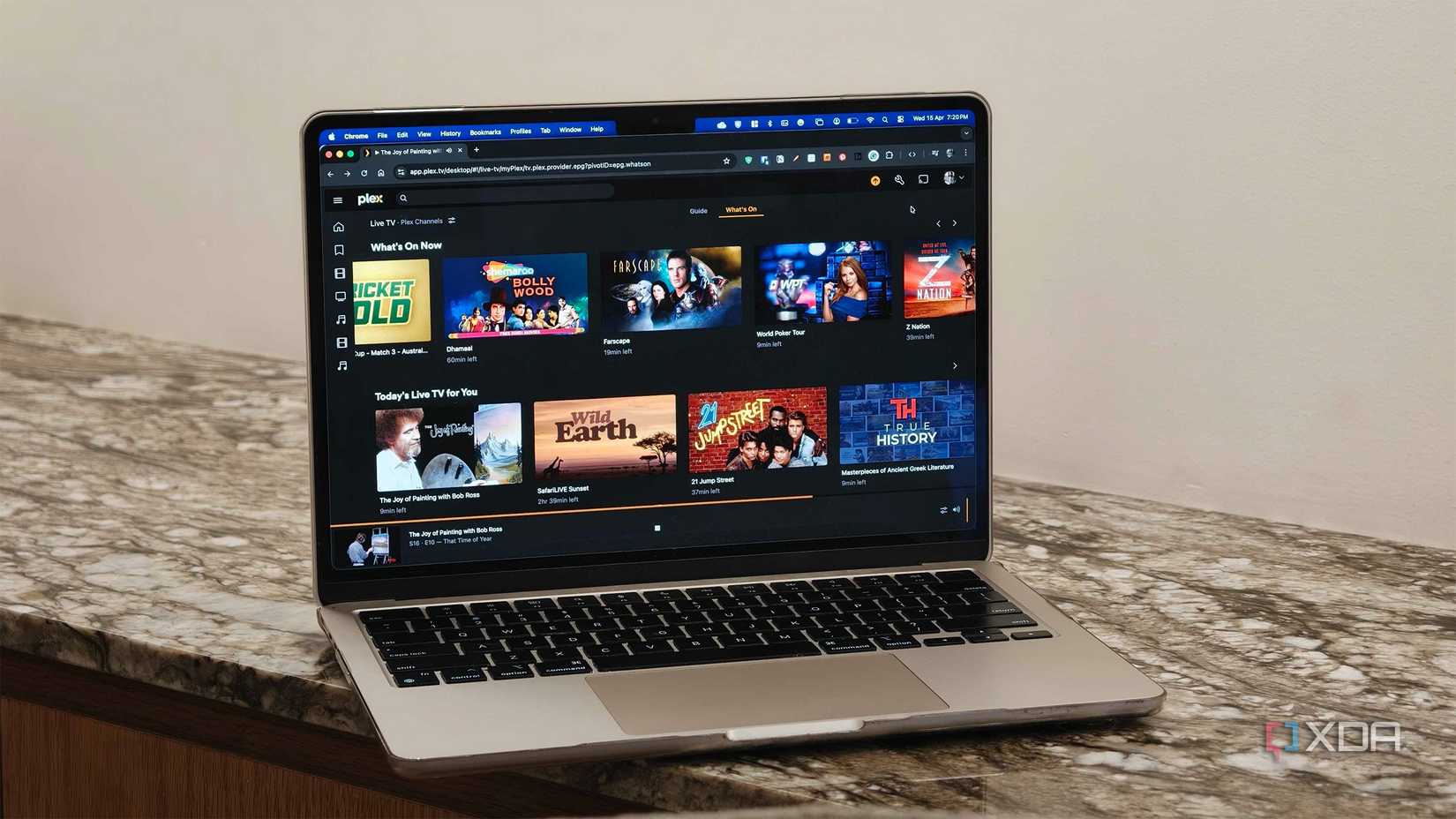
Plex might want to make the Lifetime Pass unattainable
At the end of the day, Plex is genuinely still an excellent piece of software, and there’s no denying it. It earned its reputation long before subscription fatigue became the norm, and for many longtime users, the convenience it offers is hard to walk away from. At this point, though, with the Plex Pass’ biggest price hike ever right around the corner, even loyal users would begin to question whether convenience alone is worth such an aggressive asking price.
Half the industry today agrees that this threefold price hike is just a way to make the Lifetime Plex Pass look so unobtainable that the annual and monthly subscriptions look better by comparison. After all, once the Lifetime Plex Pass costs as much as a PlayStation 5 Pro, paying a smaller recurring monthly fee will start to look acceptable.
Regardless of whether this move is intentional, it’s a strategy that plenty of modern subscriptions have leaned into over the years, and Plex users are noticing it immediately. In the future, especially after July, getting into self-hosting media might become synonymous with Jellyfin, and I, for one, couldn’t be more excited to see that day come.
For more information, visit the original source here.
“`

