



Understanding Frame Generation: A Misunderstood Feature in Gaming
Frame generation has historically been met with skepticism among serious gamers, primarily because it’s often marketed as a solution for subpar performance. While Nvidia and AMD rightly claim that frame generation can substantially enhance frame rates, smooth gaming is about more than just higher numbers. The consistency of frame time, input latency, and the overall responsiveness of gameplay are equally crucial, and frame generation doesn’t address these aspects.
Why Frame Generation Often Feels Off
This discrepancy becomes apparent when you experience the feature. Even if the FPS counter in MSI Afterburner shows a significant jump, the gameplay doesn’t feel any smoother because your inputs remain tied to the base frame rate. This disconnect can be jarring, leading many to dismiss frame generation without fully understanding its potential. However, this perception often arises from using frame generation under the wrong circumstances.
Misconceptions About Frame Generation
Many gamers activate frame generation as a last resort when a game struggles with performance, hoping it’ll resolve all issues. While it can make the game appear more playable, frame generation doesn’t rectify the fundamental problems. It merely camouflages them, leaving the gameplay experience constrained by the initial shortcomings. For instance, a game running at 35FPS might show over 120FPS with multi-frame generation, yet the choppiness persists because the responsiveness is still dictated by the original frame rate.
Optimal Use of Frame Generation
Utilizing Frame Generation with Strong Native Performance
Frame generation shines when it’s not used as a crutch. Instead, it should be seen as an enhancement tool that complements existing performance. For example, if your system is already delivering close to 100FPS with steady frame times, frame generation can augment the visual experience without being burdened with compensating for underlying issues. This approach allows the feature to enhance the fluidity of motion on high refresh rate monitors without diminishing the experience.
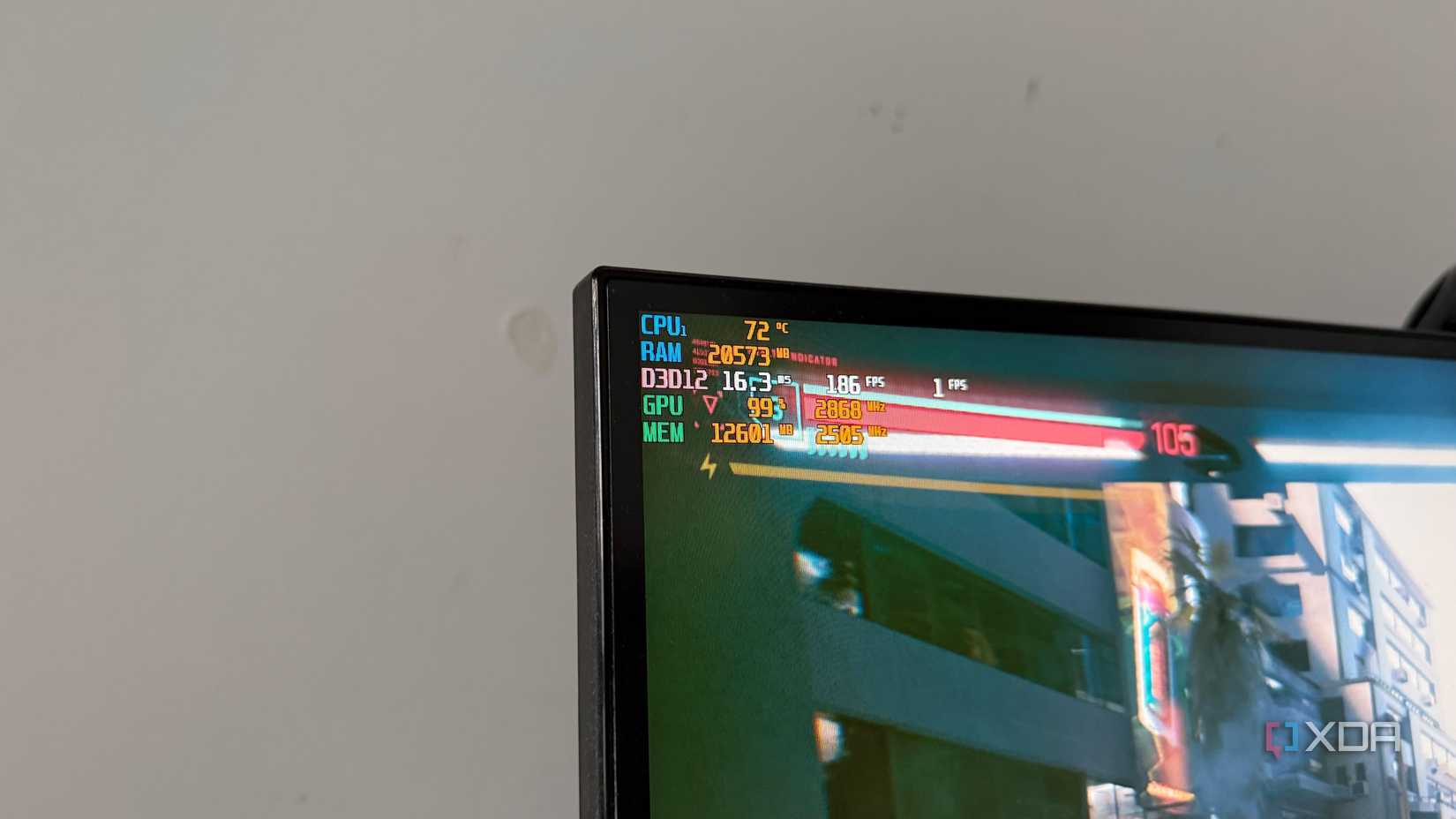
Frame Generation vs. Raw FPS
Despite its benefits, frame generation cannot replace the feel of raw FPS. Competitive gamers prioritize input response over visual smoothness, which is why many competitive titles don’t even offer frame generation. The slight latency introduced by frame generation, though minor, can be critical in fast-paced scenarios where milliseconds count. However, in single-player settings, where responsiveness and latency are less critical, frame generation’s contribution to smoother motion can be more valuable.
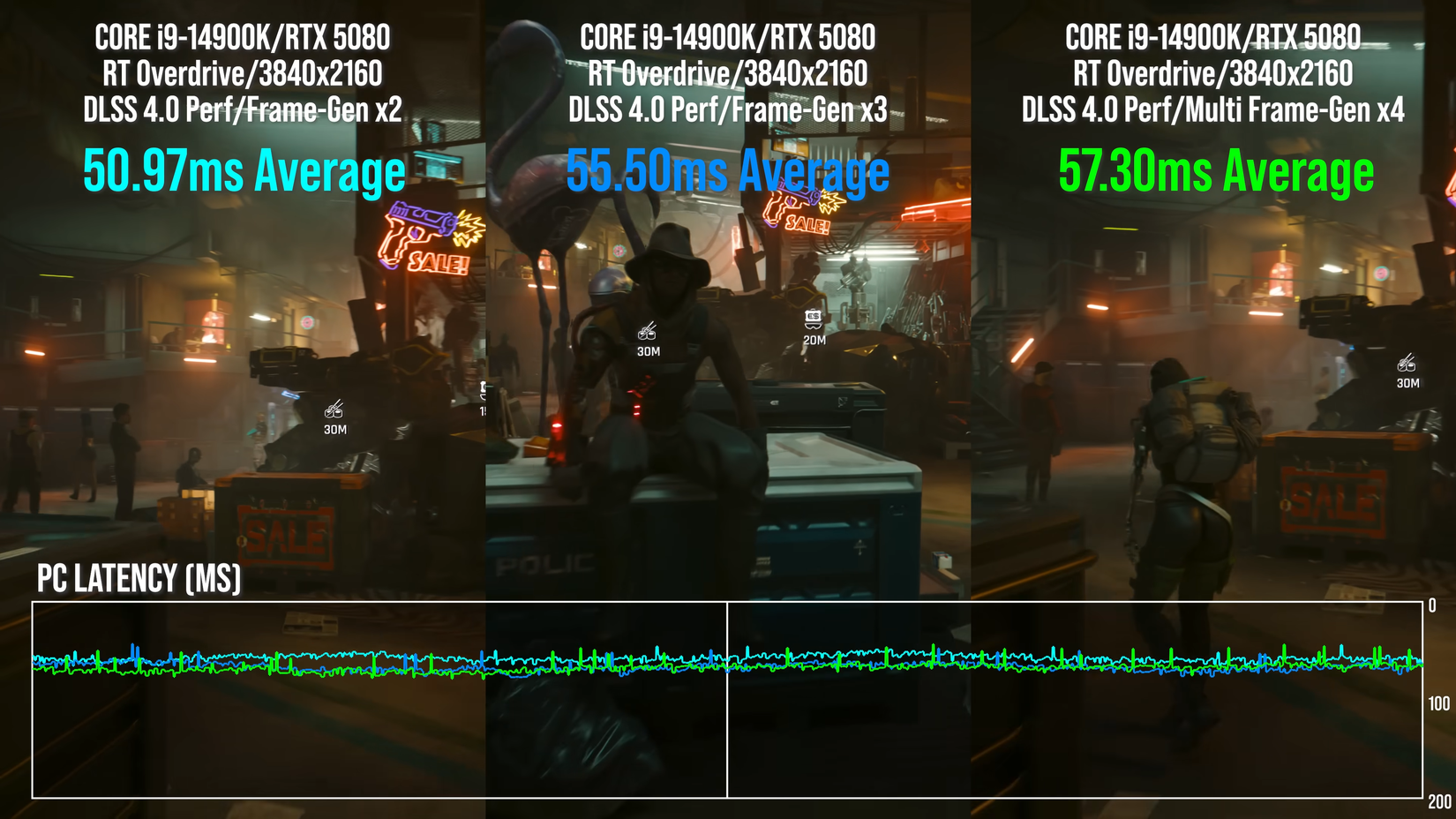
Credit: Digital Foundry
Rethinking Frame Generation
While skepticism towards “fake frames” is understandable, it’s important to recognize that frame generation isn’t inherently flawed. Its true potential is realized when used appropriately, enhancing rather than masking performance issues. By avoiding its use as a cover-up for CPU bottlenecks or poor native performance, gamers can appreciate the enhancements it offers, particularly in slower-paced, single-player games.

For further insights, visit the original source here.
“`

