


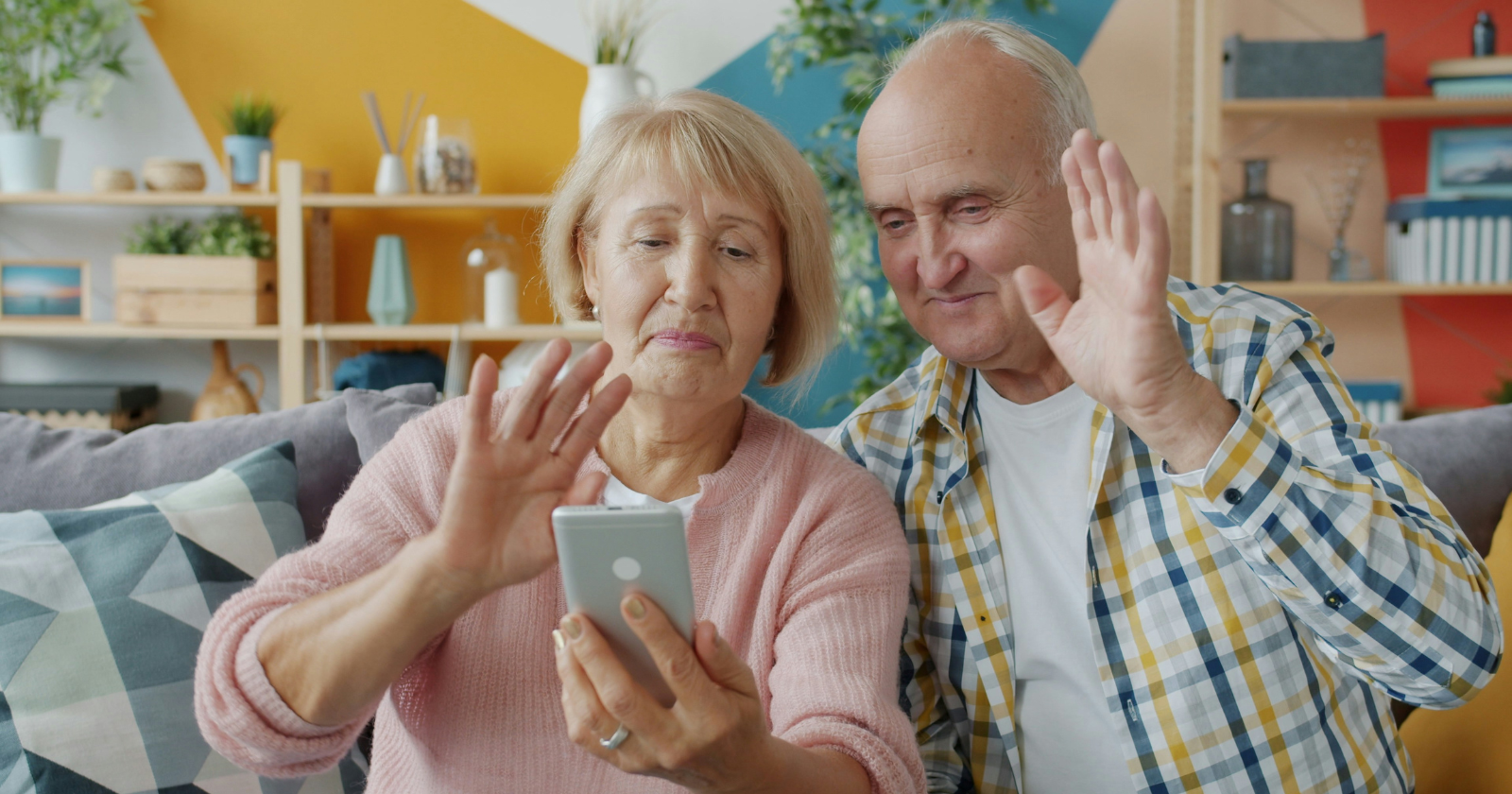
A quiet revolution has been unfolding in family dynamics over recent years, often without explicit decision-making. The concept of acquired rights within families is increasingly mediated through screens. Through a digital interface, a grandmother reads a bedtime story from a different time zone, while a grandfather engages in hide-and-seek with a grandchild he has never physically embraced. The journey that once necessitated a plane or long car ride now requires just a click, marking a new era where older generations navigate grandparenthood through digital windows.
Living amidst this transformation provides a unique perspective. My daughter has two sets of grandparents who cherish her, yet their interactions are primarily through screens, akin to how she engages with her favorite cartoons. This technological bridge is a source of gratitude, yet it carries a subtle pain that remains unnamed.
What the Screen Actually Shows
Research in this area offers surprising encouragement. Developmental psychologist Rachel Barr of Georgetown University investigates how young children interact with technology. Her studies reveal that video chat serves as a genuine relational tool rather than a mere consolation. In a significant study, grandparents who frequently engaged in video chats, including activities like greetings, singing, and reading, reported a greater sense of closeness with their grandchildren. These interactions were particularly beneficial for those separated by distance.
Barr explains that these digital interactions allow grandparents to continue building relationships, sharing intergenerational stories, and maintaining a window into their grandchildren’s evolving lives. This digital window holds real value. My daughter recognizes her grandparents’ voices, faces, and the special songs they sing. Her excitement upon seeing them on screen is palpable. None of this should be dismissed, and I strive to treat it with the importance it deserves.
What the Screen Can’t Carry
However, screens have their limitations. They convey faces and voices beautifully but cannot transmit weight, warmth, or scent. My daughter will know her grandmother’s appearance but not the feel of her arms or the aroma of her cooking—elements that anchor a child’s love physically rather than visually. Barr acknowledges this in her research, noting that while in-person contact is ideal, video chat can complement interactions during separations. Video is supplementary, not a complete substitute.
This represents a shift from my own upbringing. Growing up, my grandparents and extended family were a daily physical presence, always near, always nurturing. My daughter’s experience of family is warmer in some aspects, given the frequent, intentional calls, yet thinner, constrained by technology and a toddler’s fleeting patience.
Our Own Version
In our family, the geographical distances are uneven. My husband’s parents reside in Chile, and we manage physical visits about eight times a year, enough for our daughter to develop a tangible understanding of them. My own parents live in Central Asia, a world away, and we see them roughly once annually. For them, the relationship with their granddaughter exists almost entirely through screens, woven from brief calls across vast time differences.
I observe my mother holding her phone closely, attempting to memorize a face that evolves faster than the calls can capture. By the time we arrange a visit, the infant she was doting on has transformed into a different child. These calls bring genuine joy yet harbor a quiet sorrow—the sorrow of a grandmother familiar with her granddaughter’s laughter but rarely able to feel the top of her head.
What I Learn to Do With It
I’ve stopped viewing video calls as inadequate replicas of reality, treating them instead as their own meaningful entities. We keep them brief and engaging, centering on what truly delights a one-year-old rather than adult conversation. Grandparents repeat the same songs, as repetition is what little children cherish. We share everyday moments—meals, new words, tantrums—capturing the texture of her days, not just the highlights.
We fiercely protect in-person time, allowing physical presence to catch up with digital interaction. Annual trips home, extended stays in Santiago, and the week my parents fly in become pivotal moments. These visits enable my daughter to experience the smells, weight, and warmth—elements a phone cannot convey. We plan our year around these visits, and I’ve relinquished guilt over the time and cost involved, understanding they form the foundation upon which digital interactions rest. This is the shape of the modern, dispersed family, and loving from a distance is a skill we learn together.
If you too hand a phone to a child so a distant grandparent can share an ordinary afternoon, know that you are engaging in something quietly heroic and bittersweet. The face passes through the screen; the scent waits for the next visit. We are pioneers, crafting grandparenthood in this new digital age, and I believe, crucially, we are getting the important parts right.
For further insights, you can read more here.
“`

