



Exploring the Exciting World of Smart Glasses: Google AI Glasses vs. Meta Ray-Ban Smart Glasses
Smart glasses have made a remarkable comeback, re-igniting interest and innovation in this fascinating segment of wearable technology. The latest showdown pits Google’s highly anticipated AI-enhanced glasses against Meta’s popular Ray-Ban Meta line. As we dive into this comparison, it’s crucial to understand the nuances that make each contender unique and determine which might be the right choice for you.
A Look at the Hardware
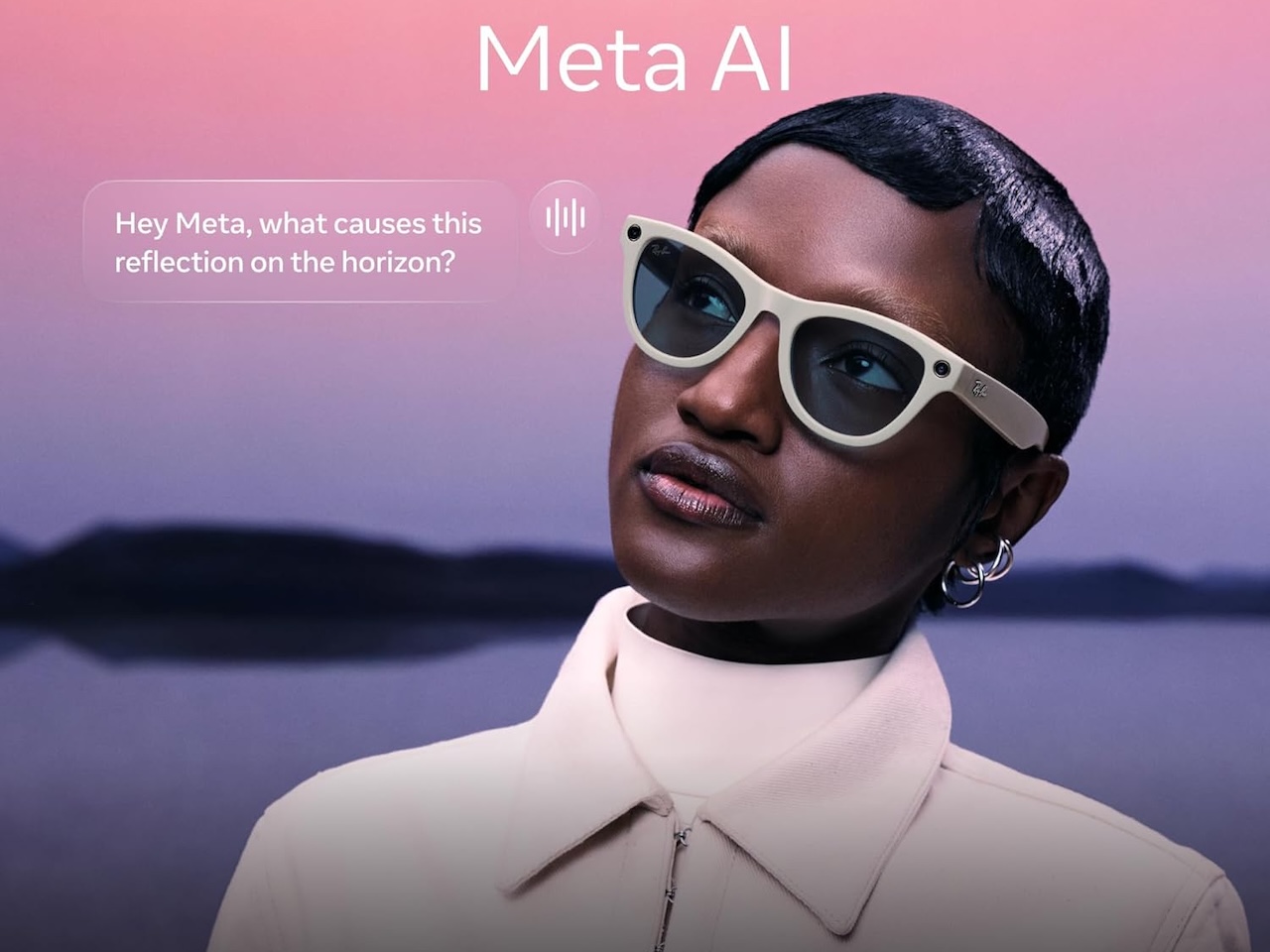
Meta has leveraged its collaboration with Luxottica to create smart glasses that masterfully blend style and technology. The Ray-Ban Meta glasses continue the legacy of fashionable frames while integrating useful smart features. Notable for their open-ear speakers and a 12-megapixel camera, these glasses allow users to capture 3K video and enjoy extended battery life, supporting approximately eight hours of mixed use. This makes them a solid choice for both tech enthusiasts and fashion-conscious individuals.
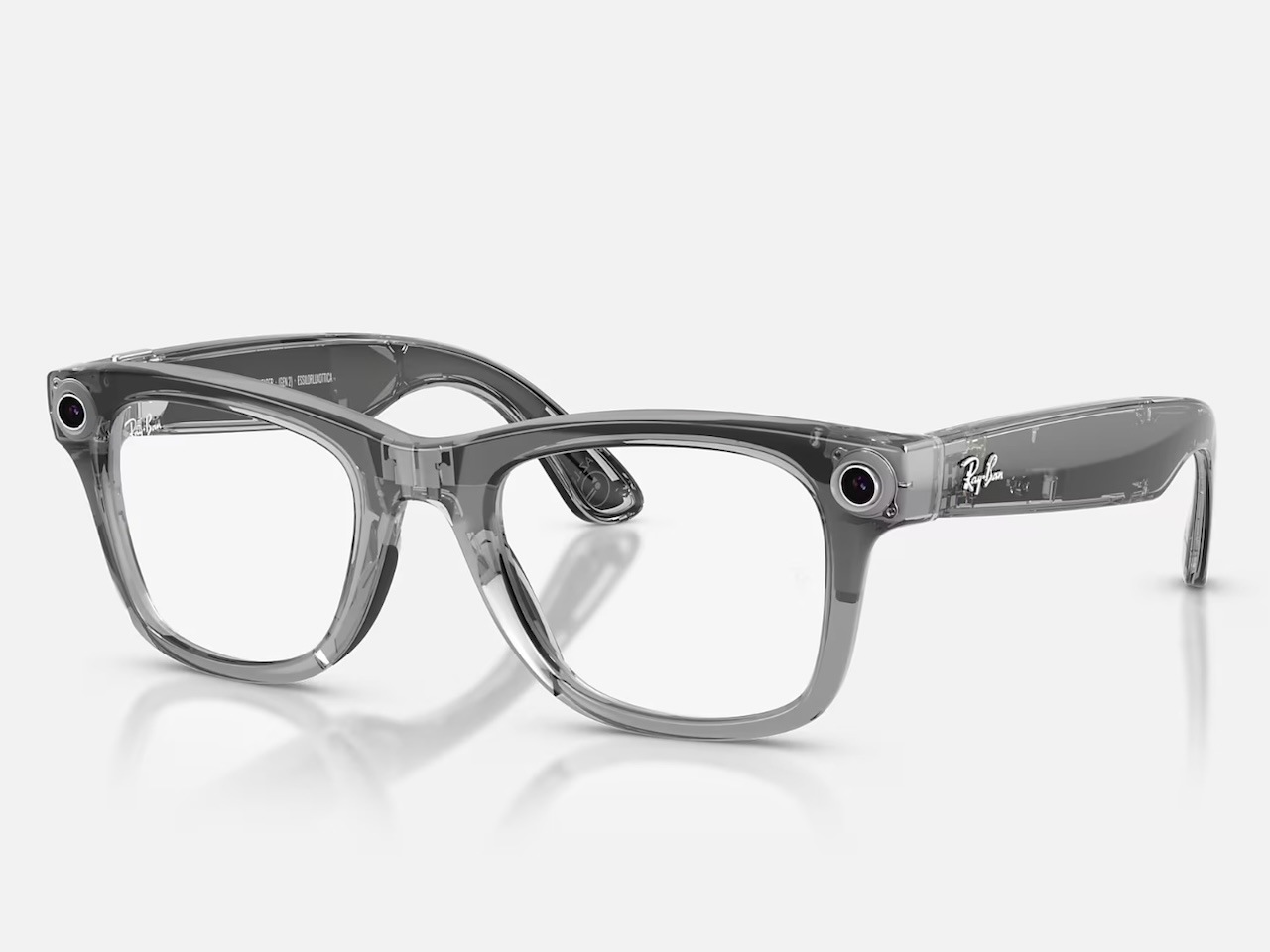
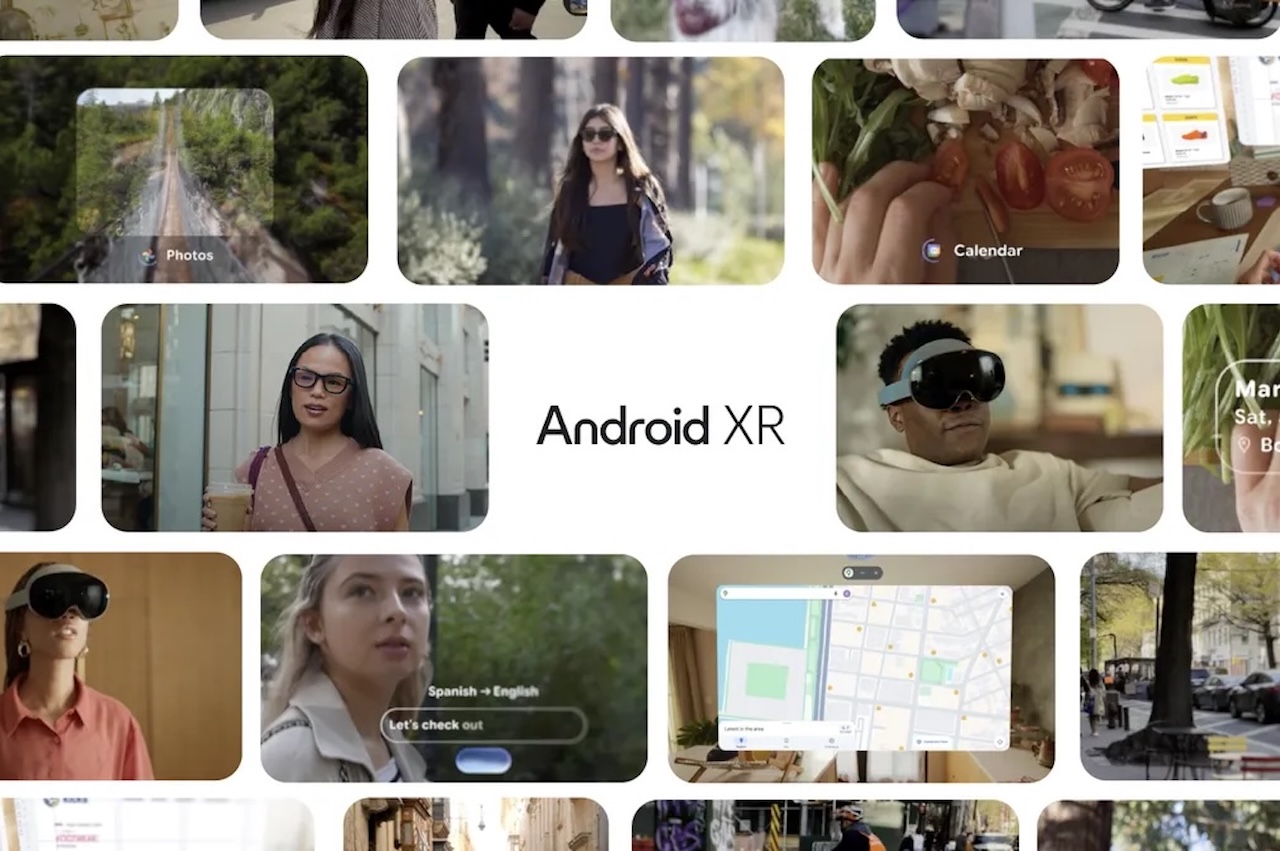
Meanwhile, Google’s approach, in partnership with fashion-forward brands like Warby Parker and Gentle Monster, emphasizes a sleek aesthetic without compromising on technological prowess. These glasses come equipped with Gemini cameras and microphones, complemented by Android XR capabilities. Google aims to offer a customizable experience with an optional in-lens display, catering to varied user preferences.

Functionality and User Experience
Meta positions its glasses as a tool for capturing moments and utilizing AI in everyday tasks. With features like photo capture, Meta AI interactions, and seamless integration with Instagram, these glasses are designed for socially inclined users. The AI, powered by Llama 4, enables fluid conversations and offers practical tools like translation services for travelers.
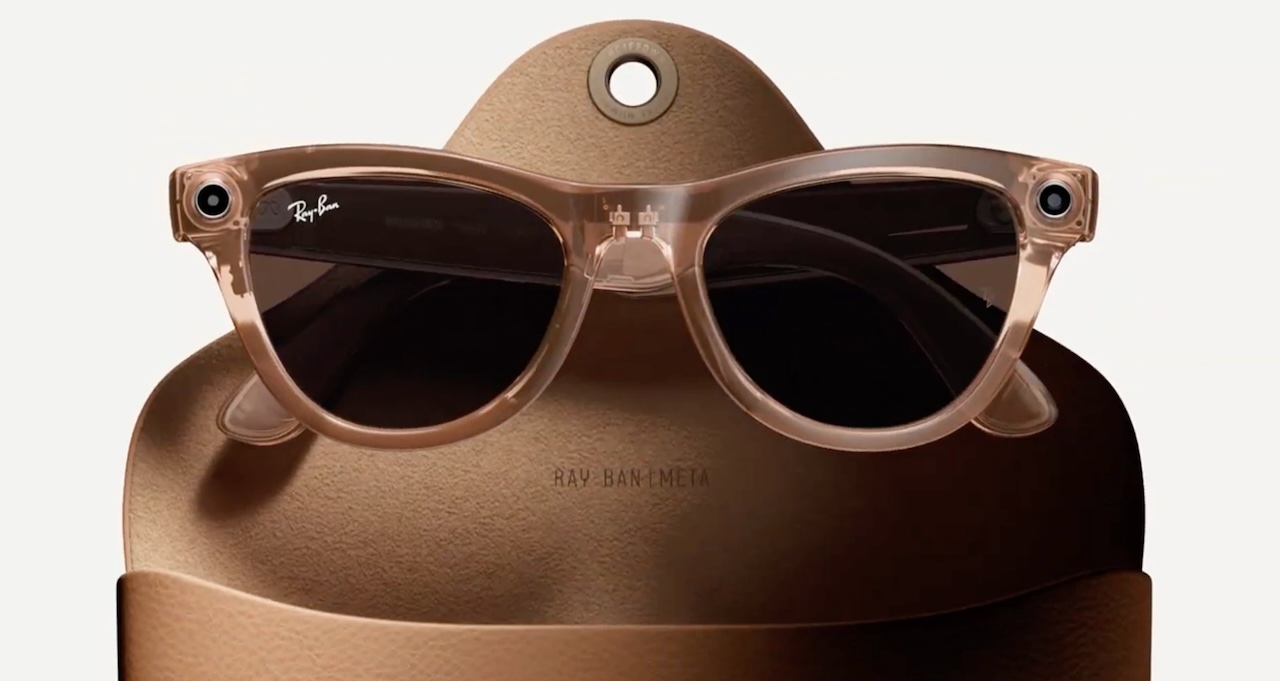
Google’s glasses, leveraging Gemini’s multimodal intelligence, aim to deliver beyond what’s currently on offer. The glasses promise real-time translations, hands-free navigation, and a robust integration with Google’s ecosystem, including Photos, Gmail, and Maps. However, the challenge lies in delivering these features as seamlessly as demonstrated in previews.
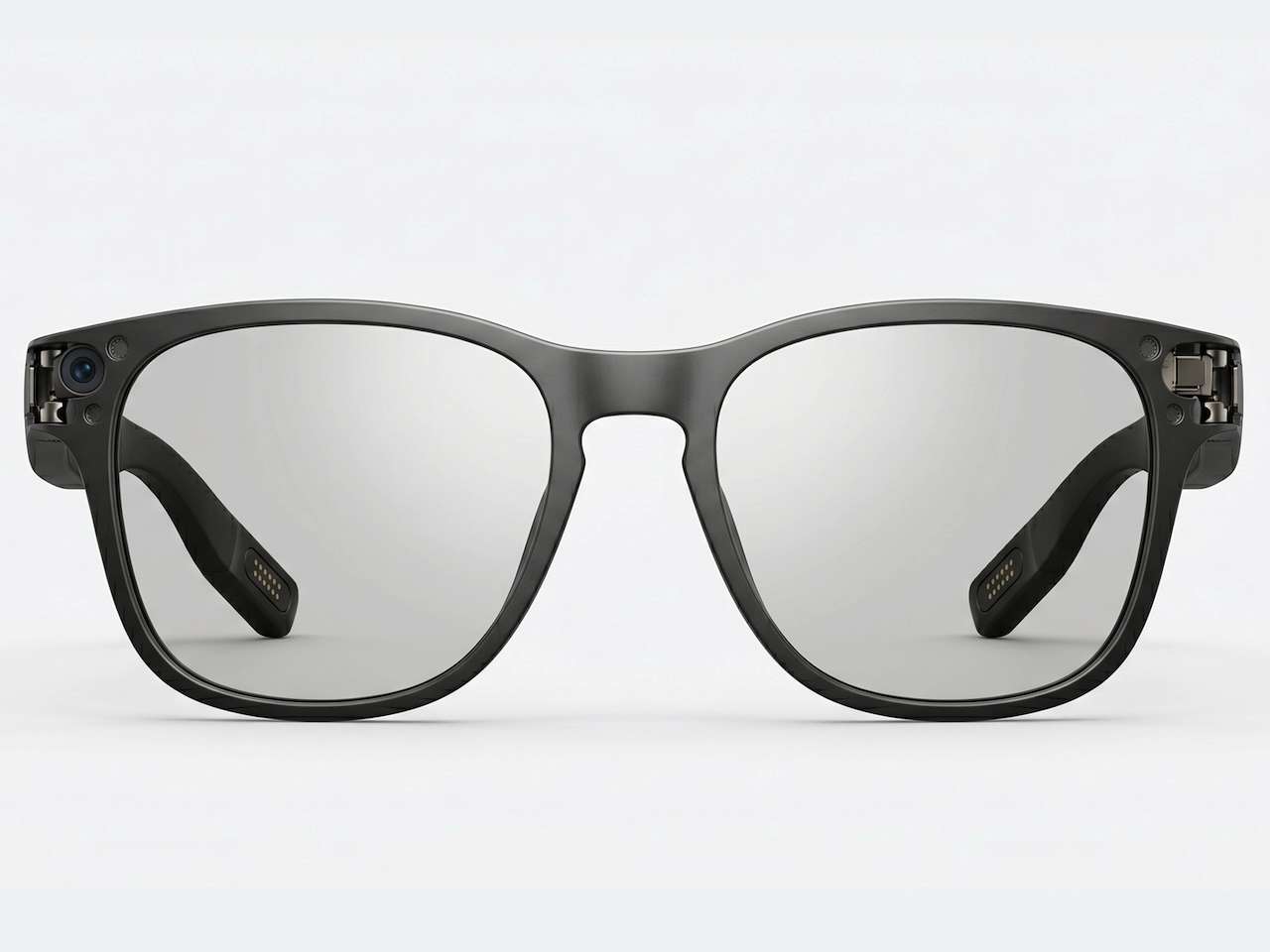
Daily Usability and Privacy Concerns
Comfort and battery life are crucial for the adoption of smart glasses. Meta has optimized its design for all-day wear, with a charging case that extends usability. Google’s glasses are expected to meet similar standards, but their success will depend on how unobtrusive and efficient they are in everyday use.
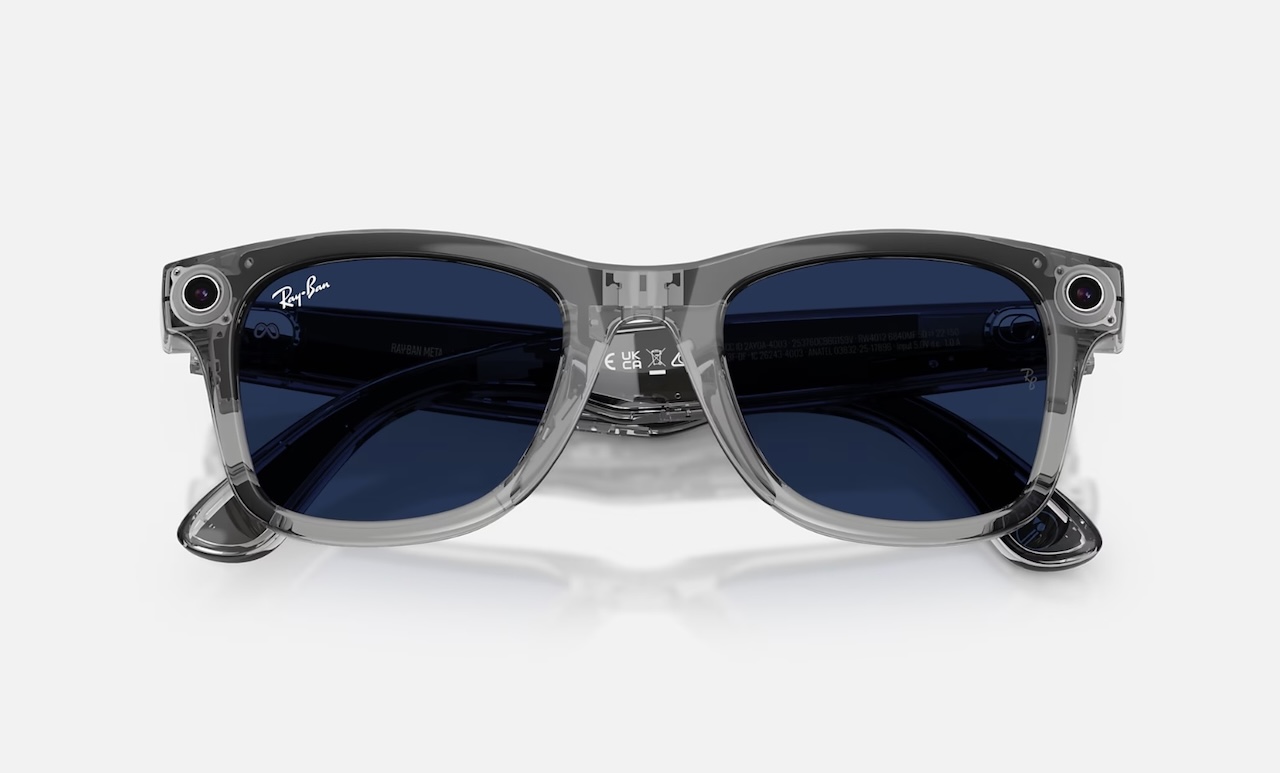
Privacy is a significant concern for smart glasses users. Meta tackles this with visible indicators when recording. Google, on the other hand, has yet to finalize its privacy policies, emphasizing the need for transparent and user-friendly privacy measures.
The Ecosystem Factor
Ultimately, the choice between these smart glasses may come down to which ecosystem you are already invested in. Meta’s Ray-Ban line seamlessly integrates with social media platforms like Instagram, making it ideal for users who are already immersed in that ecosystem. Conversely, Google’s offering is more suitable for those who rely heavily on Android and Google services, providing a natural extension of existing digital habits.
The Verdict
Meta’s Ray-Ban line stands as the tried-and-true option for those seeking style and functionality within a familiar social framework. Google’s glasses, though promising a more ambitious integration of AI, are yet to be fully evaluated on the pricing and availability fronts. This competition between tech giants is set to drive innovation, making the next year an exciting one for smart glasses enthusiasts.
Price: $379
Sources of supply: Amazon
As the smart glasses market heats up, the real winners are consumers who can look forward to more refined, feature-rich products born out of this burgeoning competition.
“`

